
Lunchtime Workshop
Make the most of your IPNC 2026 experience by adding a ticket to this lunchtime workshop. It will be available as an optional extra during registration for new attendees, and existing delegates can log back into the registration portal at any time to add it to their booking.
Tuesday 15 September 2026
GSK Lunch Symposium
Advancing Adolescent Meningococcal Disease Prevention
12:45pm - 1:30pm | Auditorium

Phil Watson, PhD
GSK Vaccines
United Kingdom

Professor Terry Nolan, AO
University of Melbourne
Australia
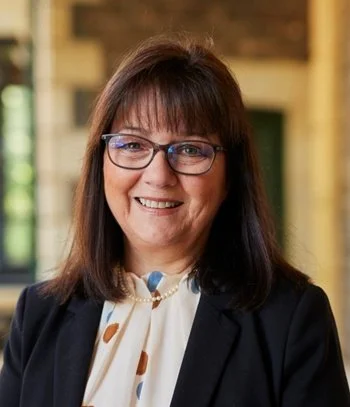
Professor Helen Marshall, AM
Women’s and Children’s Health Network
Australia


Dr Luigi Vezzosi
ASST Rhodense
Italy
About the Symposium
The symposium will take the form of a roundtable discussion.
This symposium will explore the evolving role of adolescent vaccination in the prevention of invasive meningococcal disease (IMD), bringing together experts to examine clinical, public health, and policy perspectives.
The symposium will open with an overview of the unmet medical need in adolescents, highlighting that adolescents remain a critical population in IMD prevention. This context will frame discussions on strategies to maximise protection against disease caused by serogroups B and ACWY for this age group while supporting wider population level impact.
The first panel discussion will consider what the current evidence base tells us about optimal IMD prevention strategies for adolescents. Topics will include the goals of vaccination for both direct protection and broader public health benefit and consideration of approaches to optimise the implementation of adolescent vaccination strategies.
The second panel discussion will examine what is holding back adolescent IMD prevention programmes. Discussions will cover the unanswered research questions, the types of data needed to support national and regional decision making, policy barriers, and implementation challenges.
The symposium will include audience question and answer, providing participants with the opportunity to engage directly with the panel and reflect on practical approaches to strengthening adolescent IMD prevention.